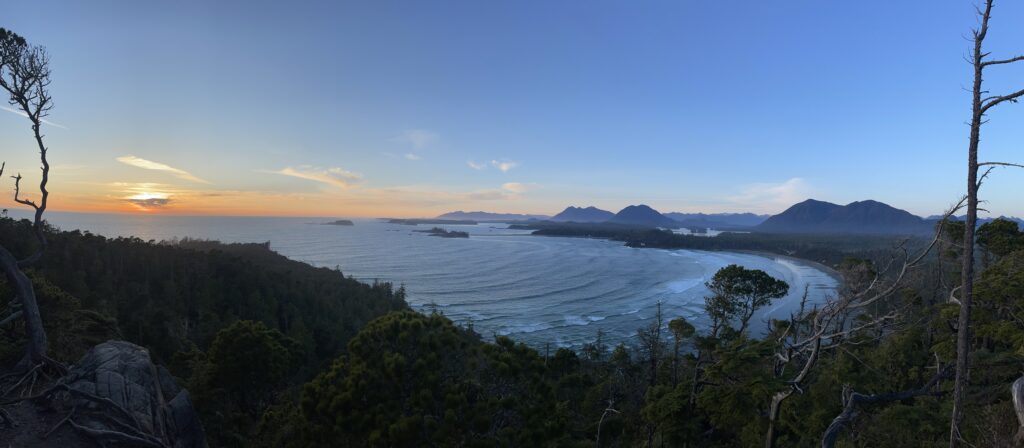
Tofino has always been one my happy places, and I feel incredibly lucky to live so close by. Every trip I take out there reminds me of why I love it so much, the surf, beaches, and the incredibly diverse ecosystems that make up Tofino’s environment. It is important to remember that while all these things are important, Tofino is the ancestral home of the Nuu-chah-nulth people, who lived, gathered, and cared for this coastline for over thousands of years. This history is important to recognize and adds a whole other layer of significance to Tofino that should be understood and appreciated.
As you can see by the video above, Tofino is rich in nature, and home to many wildlife species. Specifically in this video above is a Harbour Seal (Phoca Vitulina), the most common seal across Coast Salish waters, you can tell this by the rounded head, lack of ear flaps, and by the way it bobs at the surface of the water.
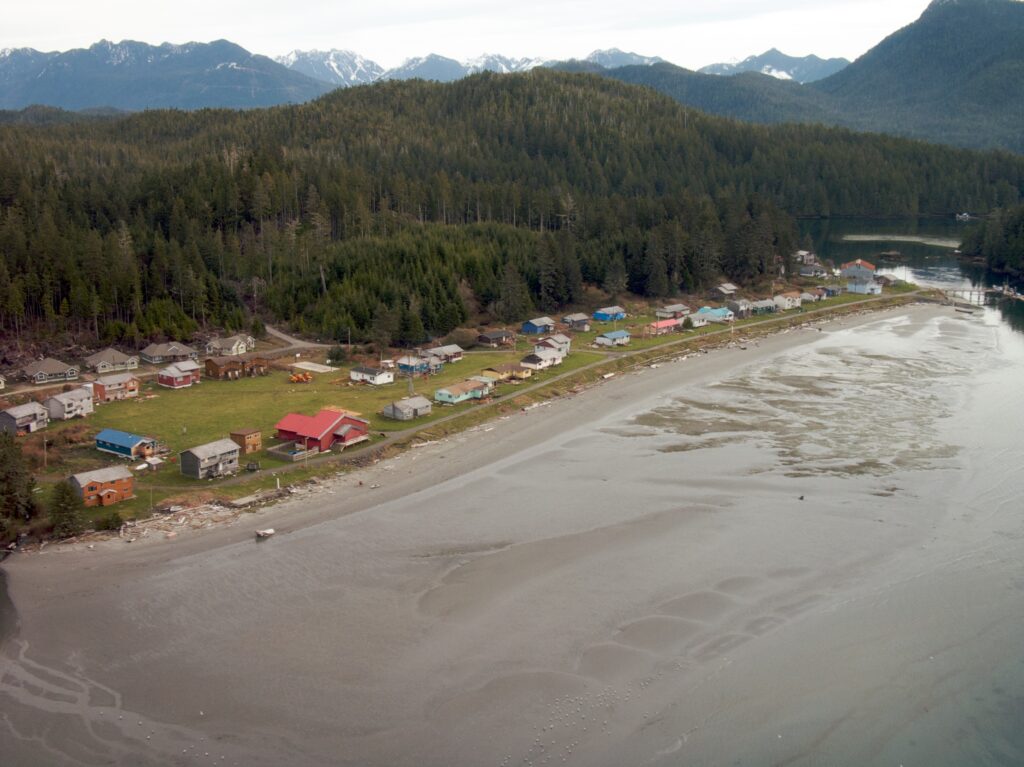
Additionally, in the video above there is a town in the distance named Opisat, which is a First Nations settlement on the southwest area of Meares Island. Opisat is home to the Tla-o-qui-aht First Nations of the Nuu-chah-nulth, who have lived there since time immamorium. During the era of the maritime fur trade, Opisat was home to Chief Wickaninnish (meaning “Nobody sits or stands before him in the canoe”), who was the chief of the Tla-o-qui-aht people of Clayoquot Sound. In 1972, an American fur trader named Captain Robert Grey burned Opisat to the ground in an unprovoked attack, sparking a series of retaliatory battles as a result of the damage done to the settlement and people.
Above is a video of the Salmon run at Stamp Provincial Park just outside of Port Alberni, it is one of the most important Salmon bearing rivers on Vancouver island. Every fall, tens of thousands of Coho, Chinook and Sockeye return from the open ocean, swimming upstream to spawn. This event brings the entire ecosystem together as the salmon provide essential nutrients for other animals like, eagles, bears, wolves, ravens, and the forest, as when the salmon decompose, their nutrients go into the soil and feed the surrounding environment. We were lucky enough to see bears nearby hoping to catch dinner, shown in the video below.
Experiences in nature like these, along with the rich indigenous history and the beauty of the environment, really remind me of why outdoor learning matters. It helps me slow down, pay attention, and actually connect with the places we spend time in, instead of just passing through.